The Social Media Playbook: Three Speakers, One Stage
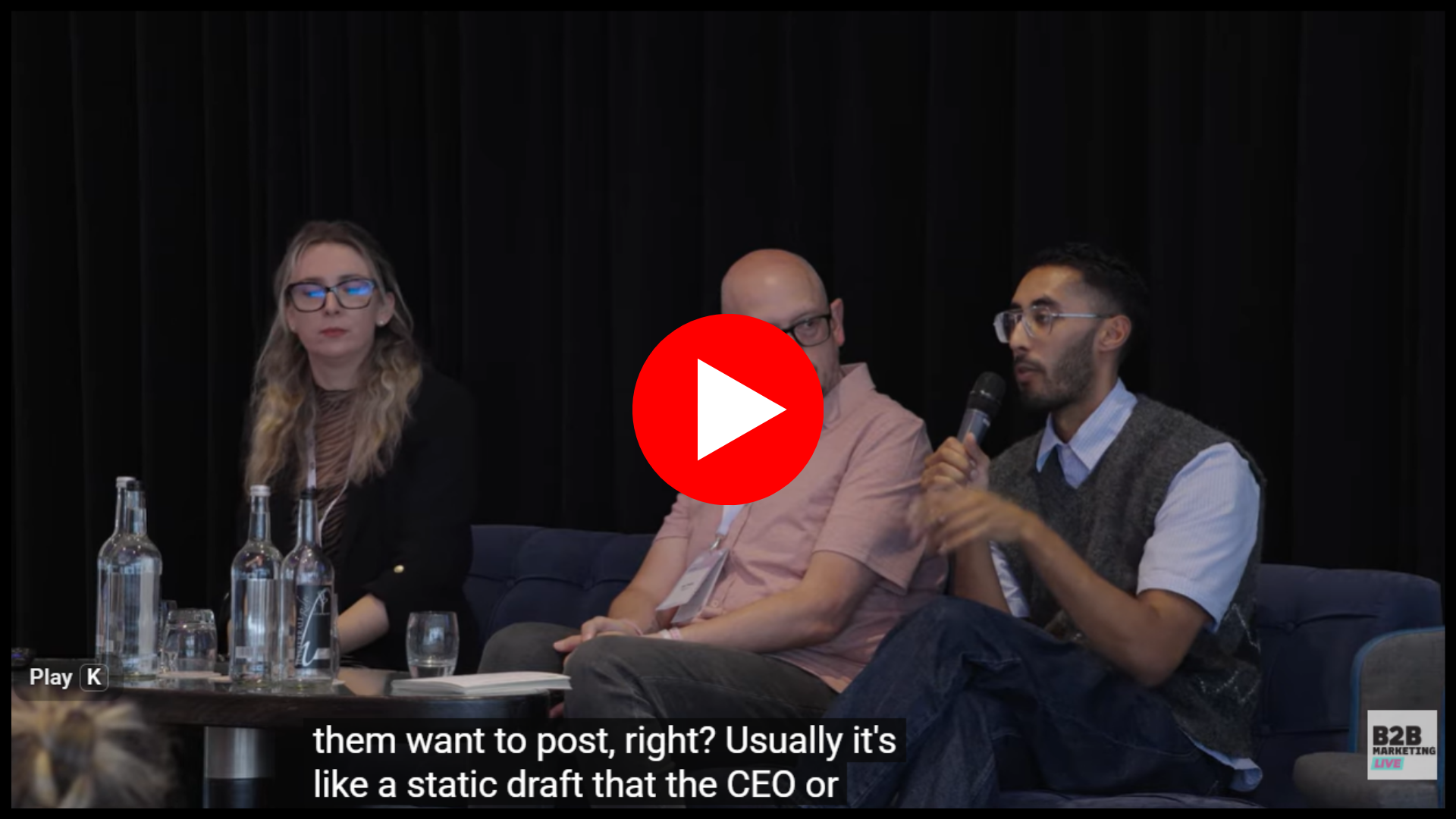
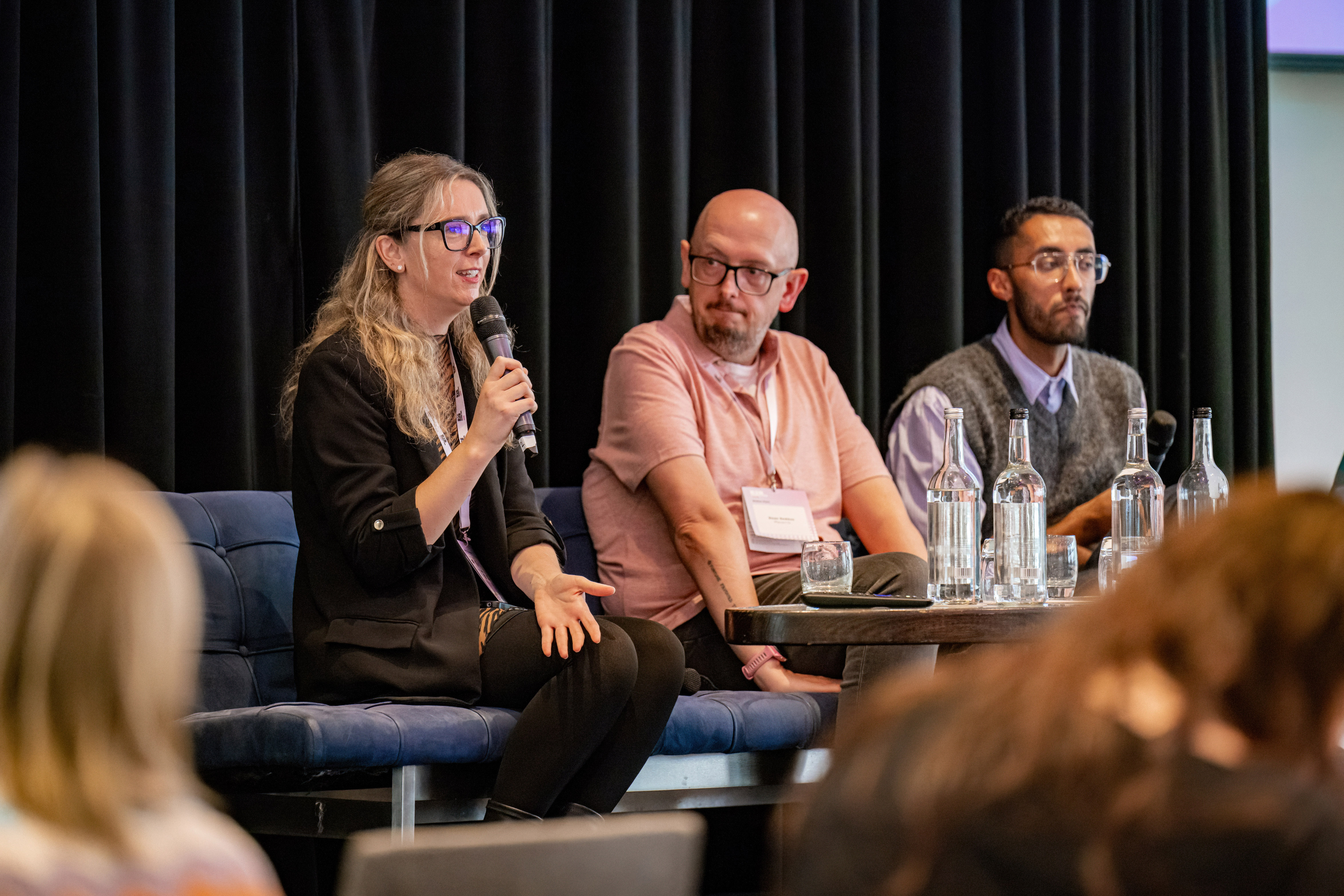
Panel: Shoaib Ahmed (SA Personal Branding), Holly Cope (More Than A Lawyer), Dean Seddon (Maverrik)
TL;DR:
- Shoaib Ahmed: trust beats logos. Build a founder brand on personal stories, building-in-public content and industry commentary, then turn profile views into pipeline.
- Dean Seddon: LinkedIn only proves ROI when marketing and sales work together. Events plus multiple, meaningful touch points beat a single pitch every time.
- Holly Cop: psychology, positioning and perception, in that order. Consistency builds trust, and every post should reinforce what you want to be known for
What does it actually take to build influence on LinkedIn?
At B2B Marketing Live Manchester, three speakers took on that question from three very different angles. Here's what they had to say.
Shoaib Ahmed:
Build the founder, not just the funnel. Shoaib Ahmed has written over 19,500 LinkedIn posts and managed personal brands for 250+ founders and execs. His message was simple: trust is the new currency, and logos don't buy it anymore.
As AI floods feeds with generic content, buyers are more sceptical than ever. They're not choosing based on polished branding. They're choosing based on familiarity, storytelling and who they actually like. His blueprint for founders is built on three post types:
- Personal stories that build trust
- Building-in-public content that proves real expertise,
- Industry commentary that AI simply can't replicate.
Then he layers on profile and pipeline. Your profile should convert readers, not just describe you. And every profile view or connection request is a buying signal. Ignore it, and you're leaving pipeline on the table.
Dean Seddon:
LinkedIn only works if marketing and sales work together.
Dean's focus was proving ROI, the question every marketer dreads. His answer; stop treating LinkedIn as a one-hit pitch and start building multiple, meaningful touch-points.
The tool he rates most highly is LinkedIn events.
His business has generated 125,000 leads from them in six years. Events stay discoverable long after they happen, LinkedIn captures attendee data automatically, and live sessions can pull in a 35% watch rate.
That's hard to beat. But the real unlock is process.
Sales teams invite their prospect connections, not marketing. The data goes back to sales for one-by-one follow-up, not a batch email blast. And the results get reported straight to leadership. Do that consistently, and LinkedIn stops being a vanity metric and starts being a pipeline engine.
Holly Cope:
Trust, authority and perception, in that order.
Holly went from posting legal updates that got two likes to being ranked the world's number one legal tech creator on LinkedIn.
Her framework:
- Psychology,
- Positioning
- Perception
Trust comes first, and it's built through consistency, not virality. Random posts about the gym one day and a client win the next don't build reliability.
A steady stream of the same type of story does.
Once trust is there, positioning establishes authority through deliberate choices, from profile photos to the company you keep online. Then perception ties it together. Every post should reinforce what you want to be known for. Post something that might go viral but doesn't fit your purpose, and you dilute the brand you're trying to build.
Three speakers, three different routes in. But the thread running through all of it was the same: on LinkedIn, trust beats reach every time.